
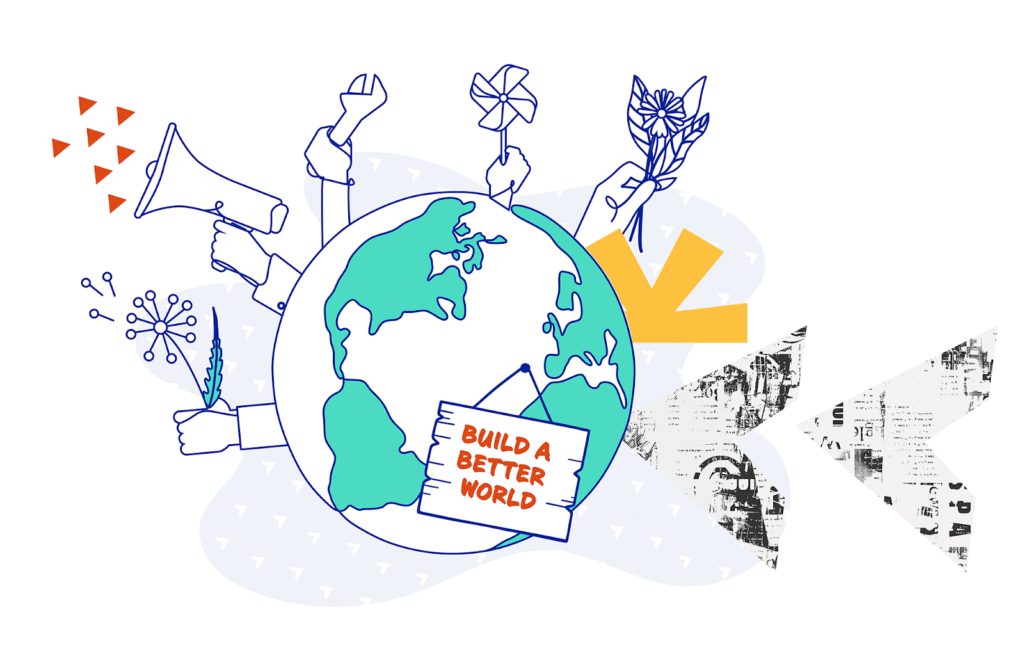
The modern era is defined by invention, imagination, and advancement. Across industries and communities, technology has emerged not merely as a tool but as a transformative force capable of reshaping destinies. The pursuit of building better world initiatives lies at the intersection of human creativity and digital innovation, where progress becomes both purposeful and profound.
Technology as a Catalyst for Change
In every corner of society, we witness technology for progress driving solutions that once seemed unattainable. From renewable energy grids that combat climate change to digital learning platforms that empower students in remote regions, the evidence is clear: innovation isn’t just technical, it’s deeply human. These shifts demonstrate that progress is not about gadgets alone—it is about the betterment of life itself.
Take healthcare as an example. Precision medicine and telehealth solutions extend access to care, bridging gaps in underserved regions. At the same time, AI-powered diagnostics accelerate the detection of diseases, potentially saving millions of lives. This union of science and compassion exemplifies how thoughtful applications of technology directly contribute to building better world ambitions.
Shaping the Future with Technology
Societies are constantly evolving, and it is tech shaping future outcomes that dictates the pace of that evolution. Smart cities, for instance, are emerging as exemplars of efficient living. By leveraging connected sensors, data analytics, and automation, urban environments become safer, cleaner, and more sustainable. Such ecosystems not only conserve resources but also enhance quality of life for residents.
Beyond cities, agriculture too is undergoing a digital renaissance. Automated drones, soil sensors, and predictive algorithms now help farmers maximize yield while minimizing environmental impact. In essence, this is more than productivity—it’s stewardship, showcasing how thoughtful innovation shapes a sustainable tomorrow.
Innovation Serving Humanity
At its best, technology is not self-serving. It is innovation for humanity, designed with purpose and inclusivity in mind. Assistive devices for people with disabilities, language translation powered by artificial intelligence, and affordable renewable energy solutions illustrate how progress must serve the collective good.
Education also plays a vital role here. Virtual classrooms and immersive learning tools dismantle barriers of geography, ensuring that opportunity is no longer tethered to location. A child in a rural village can now access the same knowledge as one in a bustling metropolis, proving how digital tools unlock potential across every demographic.
Beyond Utility: Technology with Heart
While the marvel of new inventions excites, it is their human impact that truly matters. Technology for progress gains meaning when it uplifts the marginalized, protects the planet, and expands the horizons of what humanity can achieve together.
Consider clean energy advancements. Solar innovations, wind turbines, and next-generation storage solutions aren’t just engineering feats—they are lifelines for future generations. Similarly, sustainable construction technologies reduce waste and emissions while fostering safe habitats. In these developments, technology transcends mechanics and becomes an embodiment of care.
The Collective Role in Building a Better World
No single invention or sector can achieve global transformation in isolation. True progress demands collaboration between governments, enterprises, and individuals alike. When citizens embrace eco-conscious gadgets, when businesses invest in renewable resources, and when policymakers create frameworks for inclusivity, the journey toward building better world goals accelerates.
This shared responsibility ensures that the fruits of innovation are distributed equitably. It also safeguards against disparities that could widen gaps between privileged and disadvantaged communities. After all, tech shaping future achievements should uplift all, not just a select few.
Imagining the Road Ahead
The horizon of possibilities is vast. Quantum computing may revolutionize problem-solving in medicine and climate science. Biotechnology could eradicate hereditary diseases. Space technologies might unlock resources that support life on Earth. These are no longer distant dreams—they are active pursuits that align with innovation for humanity ideals.
Crucially, the advancement of tomorrow must be anchored in ethics. Issues such as data privacy, artificial intelligence accountability, and digital equity demand thoughtful stewardship. By embedding responsibility into every layer of innovation, societies can ensure that technology fulfills its promise without compromising trust or human dignity.


More Stories
The Future of Tech: How AI Will Reshape Everyday Life in 2024
The Future of Everything: How Emerging Tech Is Reshaping Our World
Unlocking AI’s Hidden Potential: The Next Frontier of Human-Machine Collaboration