
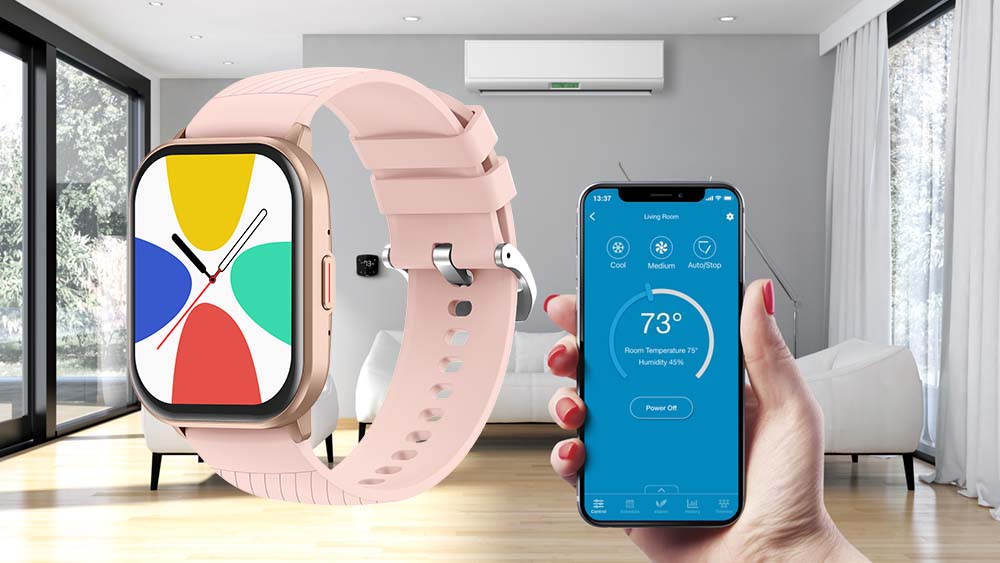
The integration of smart technology into hazardous industrial environments has brought about a significant leap in safety and efficiency. At the forefront of this shift is the explosion proof smartwatch, a device engineered to provide real-time data, communication, and monitoring capabilities without becoming an ignition source in areas where flammable gases, vapors, or dust are present. Unlike consumer electronics, these specialized smartwatches are built under stringent safety standards, most notably ATEX or IECEx, which classify them for use in specific hazardous zones. However, the integrity of these critical safety features relies entirely on diligent and regular maintenance and inspection. For workers and site managers, treating this device like any other piece of critical protective equipment is non-negotiable for ensuring both optimal performance and, more importantly, human safety.
Neglecting the maintenance of an Intrinsically Safe Smart Watch – Explosion Proof Safety Smartwatch
is not just a risk to the device’s functionality; it is a direct compromise of the safety certifications that allow it to be used in a hazardous location. A tiny crack, a faulty seal, or a damaged casing can negate its explosion-proof rating, turning a safe tool into a potential catalyst for disaster. Therefore, a structured, periodic maintenance and inspection protocol must be established and rigidly followed by both the user and the technical team.
Pre-Shift Visual Inspection: The Daily Safety Check
The first line of defense against compromise is the pre-shift visual inspection, which should be performed by the user every time the device is worn into a hazardous area. This quick, habitual check is vital for catching damage before it escalates.
The user must methodically examine the entire exterior of the smartwatch:
- Casing Integrity: Closely inspect the housing for any signs of cracks, chips, or warping. Even hairline fractures can compromise the seals that prevent flammable atmospheres from entering the device. Pay close attention to areas around the screen and the charging ports.
- Screen and Lens: The screen is often the most exposed component. Check for deep scratches or impacts that could weaken the glass or internal components. The screen must be clear and fully functional for accurate data reading.
- Seals and Gaskets: Inspect the seals around the battery compartment, buttons, and charging ports. These seals ensure the internal components remain isolated from the external environment. If any seal appears frayed, missing, or improperly seated, the device must be immediately pulled from service.
- Strap and Fasteners: Ensure the wrist strap is securely attached and the buckle mechanism is working correctly. A dropped device is an exposed device; securing it to the user is a basic safety requirement.
Any visual damage noted during this pre-shift check should be reported immediately, and the smartwatch should be quarantined until a certified technician can assess the damage.
Charging and Power Management: Maintaining Certification
The battery and charging sequence are critical points of potential failure in any electronic device. For an explosion proof smartwatch, the charging process is governed by strict safety regulations and must be meticulously managed.
- Charge Only in Safe Zones: The absolute rule is that the device must never be charged within a hazardous zone. Charging must only occur in a designated, certified non-hazardous area, following all manufacturer guidelines. The simple act of connecting or disconnecting a charging cable can generate a spark, which is safe only when performed outside the hazardous zone.
- Use Only Certified Equipment: Always use the manufacturer-supplied charging apparatus. Generic or non-certified chargers may not adhere to the low-voltage, intrinsically safe standards required by the certification, potentially leading to a thermal event or spark.
- Battery Health Monitoring: While the battery itself is sealed for safety, consistent monitoring of its performance is key. If the battery life degrades suddenly, it may indicate an internal fault or thermal stress, signaling that the device needs professional inspection.
Conclusion: Safety as a Partnership
The explosion proof smart watch is a testament to engineering that bridges safety and functionality. However, its continued certification and performance are a shared responsibility. The user’s daily diligence in checking the physical casing and adhering to charging protocols is as vital as the technician’s specialized periodic inspections. By treating this device not merely as an expensive gadget, but as a critical piece of certified safety equipment, organizations ensure that the technology delivers optimal performance without ever compromising the stringent safety requirements of a hazardous environment. In this context, maintenance is not a task—it is a mandatory pillar of operational safety.


More Stories
Unlocking Tomorrow: How High-Tech Devices Are Redefining Everyday Life
Unlocking the Future: How High-Tech Robotics Is Reshaping Every Industry
Unlocking Tomorrow: How High Tech is Reshaping Our World Today